Quote:
Originally Posted by javadog

If I were you, I would sand and finish a test piece before committing to doing the big one. If you don't have an extra sample, finish an area of the bottom or an edge where you won't see it.
Hand sanding is indeed a pain, but I've never liked the finish I get with a random orbital sander.
|
I guess this is new wood and the OP is preparing for the finish. It all depends on what the surface is now. Does ii have planer snipe? If so then initial sanding will need to be aggressive. So the commercial high speed drum sander is a great start. That leaves directional sanding marks even if ever so fine.
I just bought a Festool ROS but many are good. This one is quiet, smooth and it readily hooks up to a vac and is therefore really clean. Once I get down to 320, I use a cabinet scraper to produce a sanding grain free surface. Really brings the grain of the wood out. It's like hitting 'enhance' on your photo app.
Buy and use a tack rag. Once the first 2 coats are cured, use steel wool under a plastic pad. I like the ones that come with 3M Scotchbrite glued to the working surface. That will hold a piece of partially unfolded steel wool and do a wider swath than using your hand.
Just like sanding a car, pure hand sanding is not the best way. Use soft blocks or whatever to keep from scalloping or sanding through the finish.
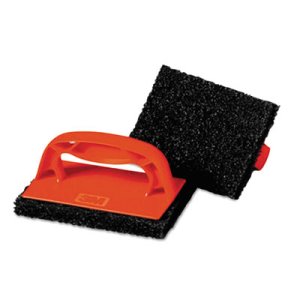
If you want to make sure the Scotchbrite isn't hitting the surface, use a terry towel between the SB and the wool. Then remember that towel is contaminated and throw it away.