The view out of our hotel room in Seattle.
 IMG_4093
 by
smasraum, on Flickr
Rainier
 IMG_4056
 by
smasraum, on Flickr
THe after-effects of the 1980 Mt St Helens eruption 38 years later from fairly close to Mt St Helens
 IMG_4007
 by
smasraum, on Flickr
Spirit Lake, still full of floating tree trunks after 38 years. Mt St Helens is on the left, so the hills on the right were swept clean by the blast, hence, little to no growth. The hill on the left still has topsoil so there's plant life to replace what was burned off.
 IMG_4021
 by
smasraum, on Flickr
The old girl herself feeling bashful.
 IMG_4032
 by
smasraum, on Flickr
This is farther away from Mt St Helens. You can see the trunks of the trees that were killed, but not knocked down and the new trees. I was there in 2000. Back then the young trees seemed like there were probably only 4-6' tall, but maybe some were closer to 8'.
 IMG_3965
 by
smasraum, on Flickr
Some of LakeCleElum's neighbors stopped by for a visit.
 IMG_4072 (Edited)
 by
smasraum, on Flickr
Mt St Helens is an awe inspiring sight to behold and think about.
Quote:
Debris avalanche (landslide): A heterogeneous deposit composed of large mounds and depressions produced when the north side of the mountain collapsed in one of the largest landslides in recorded history. In less than 10 minutes, the landslide buried a 20 square mile area (60 km2) of the North Fork Toutle River valley to an average depth of 150 feet (45 m).
Lahars (mudflows): Flood waters from melting glacial ice and the drainage of water-saturated deposits produced cement-like slurries that swept downstream from the volcano. Lahars scoured and buried more than 100 miles (160 km) of river channel.
Lateral Blast: When the north side of the volcano collapsed it unleashed a sideways explosion that knocked over and scorched 230 square miles (600 km²) of forest. The speed of the blast ranged from 220 to 670 miles per hour (360-1080 km per hour). On ridges immediately facing the volcano the blast was powerful enough that it shredded the trees or ripped them out of the ground (tree removal zone). The blast flowed up and over ridges and swirled around steep mountain topography. Trees up to 17 miles (27 km) from the volcano were felled by blast (blowdown zone) and scorched by hot gases (scorch zone).
Scorch (standing dead tree zone): Fifteen miles (25 km) from the volcano, the blast slowed to the point where it no longer carried enough force to knock the trees over but remained hot enough to kill them. The blast force had dissipated to a point where it dropped much of the fragmented rock it was carrying and the hot, blast gases ramped upward. The rapid rise of blast gases resulted in a narrow band of standing dead trees marking the outer boundary of the blast zone.
before
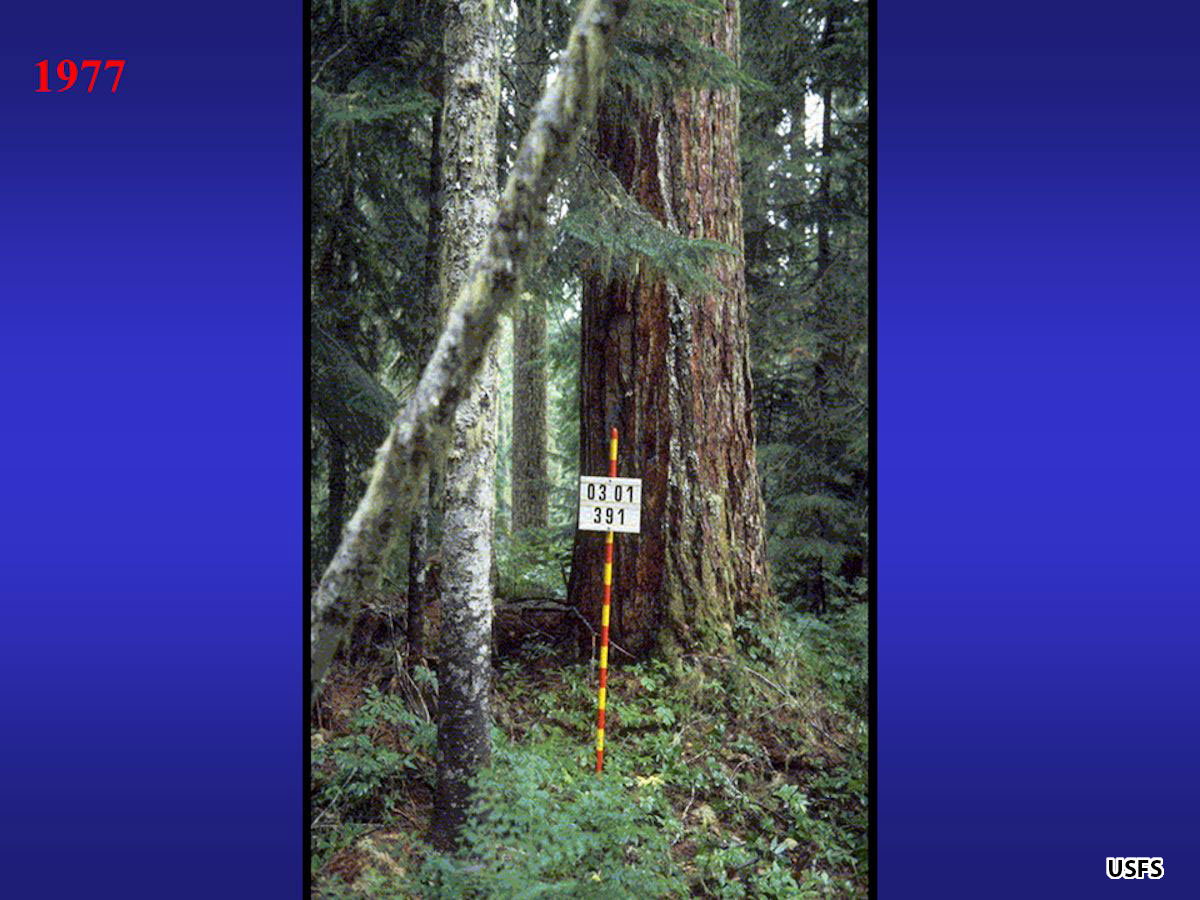
after

|
__________________
Steve
'08 Boxster RS60 Spyder #0099/1960
- never named a car before, but this is Charlotte.
'88 targa

SOLD 2004 - gone but not forgotten