Quote:
Originally Posted by Seahawk

I have no idea.
|
The higher you go, the lower the air density
The smaller the wings, the higher the wing loading
The higher the wing loading, the higher you go, the faster you need to go to keep from stalling.
Also referred to as the coffin corner, because the higher you go, the narrower the performance range of the aircraft becomes.. eg Vmax at some point equals Stall Speed (Vs)
Need lot's of speed to have lot's of air particles over the wings, to get the lifties.

But all that is moot.. because, well , that's wings..
In this case propellers are the bigger problem for altitude, they don't work optimally in low air density.
They need lot's of air particles to get the pull'ies or in this case the push'ies
What can they do to compensate?
More blades
Bigger prop
spin it faster
dual contra rotating
paddle type blades to scoop more air
I see none of that on their Celera 500L apart from more blades..and variable pitch.
But It's still a relatively small prop for such a large aircraft.
True, pusher config is low drag.. so the plane can do with lower thrust at lower altitudes.. The Rutan LongEZ and VariEze are super performant airplanes because of that , they go faster, with much more range then comparable pull prop Cessnas or whatever plane , despite having the same Lycoming 200 or 230 engines..
But the pusher won't fix anything higher up... drag isn't the main concern FL450 or FL600, Everybody wants to go high for Long distance to avoid drag.
But they use jet turbines to do that.. not propellers!
The official highest altitude for a manned prop plane, was in the 30ies..
56000 feet
Lot's of wing.
gutted for weight
Look at that prop!

NASA managed 100 000 feet with the Helios
So To fly that high
with a propeller
The higher you go, the lower the wingloading should be
Huge wings
Low aircraft weight
motors/fuel that weighs very little
NASA did FL 960 with the Helios, with propellers..
Unmanned.
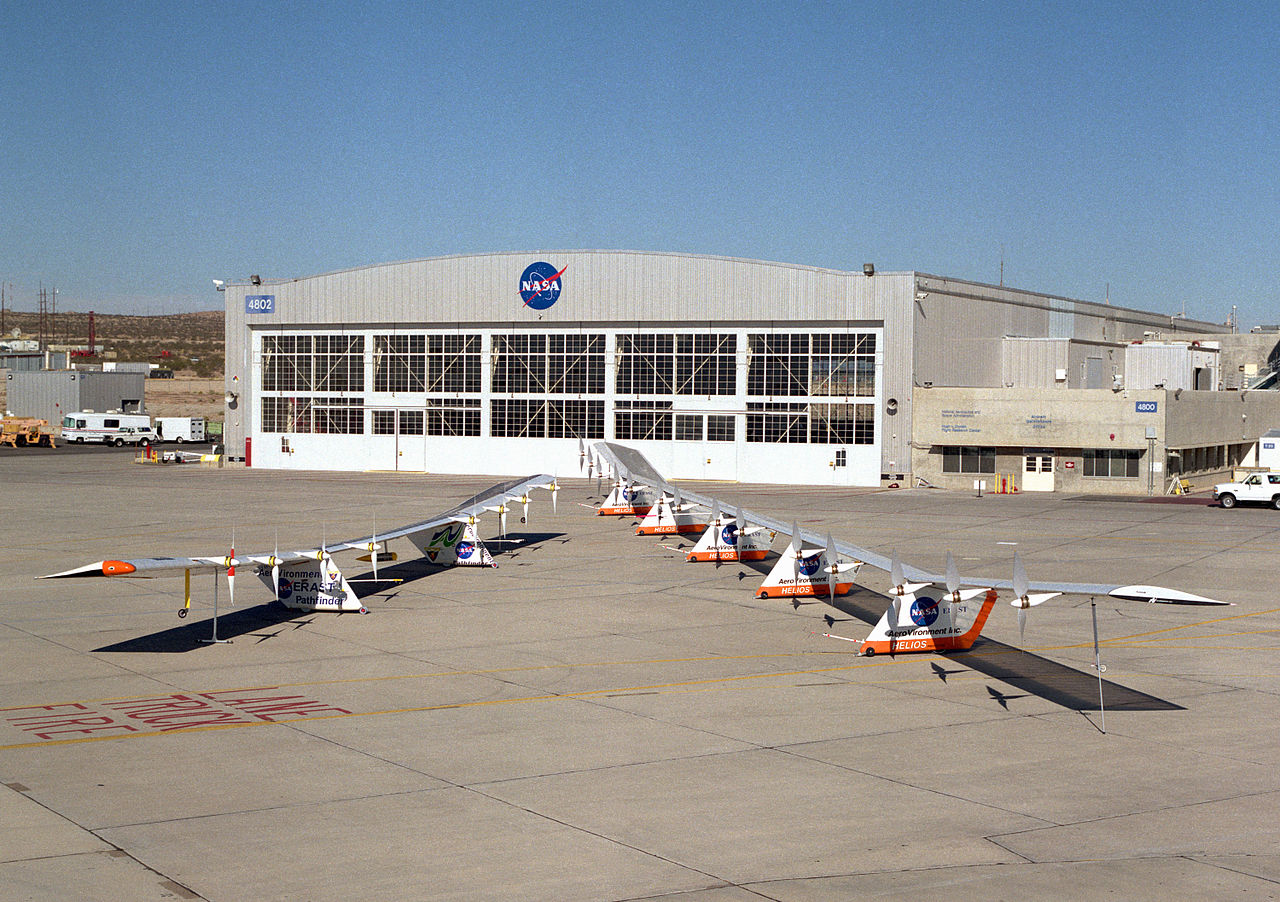
Spot the difference with that Otto thing.
The way the Celera500 is shaped.. with them tiny wings....
It would have to go much faster then 450 knots to manage FL600.
And I doubt that tiny propeller probably can manage 450 knots at FL450
It just doesn't add up one way or another.
So
It can't go fast enough
it doesn't have the wings for it
and the way it's shaped, aft CG, no air blowing over the elevators..
it will probably stall real fast, and recover quite poorly