Quote:
Originally Posted by Jolly Amaranto

Yeah, we were kind of in the same situation. My dad was a civilian contractor for the USAF involved with tracking "spy" satellites. They had tracking sites at many of those same locations. The 6594th Aerospace Test Wing, Operating Location 10 was connected to Anderson AFB on Guam and was located on the northern most tip of the island on a deactivated WWII-era airstrip known as Northwest Field a few miles from Anderson.
My brother and I took up "Boonie Stomping" as a hobby looking for WWII relics in out-of-the way places. We had heard rumors of a place called the "Tank Trap" somewhere in the hills of the south end of the island. We finally located it and found a number of M4 Sherman tanks and a few armored personnel carriers that were shot up pretty bad up on a hill side. I have a few fuzzy photos and one clear one showing my brother clowning around with his machete pretending to be a Japanese straggler.


We thought this must have been the result of some fierce ambush. Turns out that after the war, the US military dragged them all up there for target practice. |
Very cool. When we were in Misawa, every year in school the MP would come to the school to give us a talk on what to do if we stumbled across anything. The base had been a Japanese military base during the war.
"Before the outbreak of World War II, Lake Ogawara at Misawa was used by the Imperial Japanese Navy Air Service to practice for the attack on Pearl Harbor. The lake was used because it was similar in depth to Pearl Harbor. The Japanese military fashioned hills near the shore of the lake to resemble the shapes of Battleships and Cruisers that were anchored in Pearl Harbor. This provided for a realistic view for their pilots from the air. The pilots conducted low level bombing runs, dropping torpedoes into the shallow depths of Lake Ogawara. This practice developed and refined the method to attack the ships that were anchored at Pearl Harbor. During World War II, the Misawa area was heavily damaged (base 90 percent destroyed) by U.S. fighters and bombers. "
Up on the ski hill, you couldn't help but find old spent FMJ bullets. I never found any live munitions, but it did occasionally occur. And there was a story that tunnels had been found that housed zeros and ammunition, although I'm sure that was probably many years before we were there. There were also concrete bunkers in places around the base, but they were no where near the base housing.
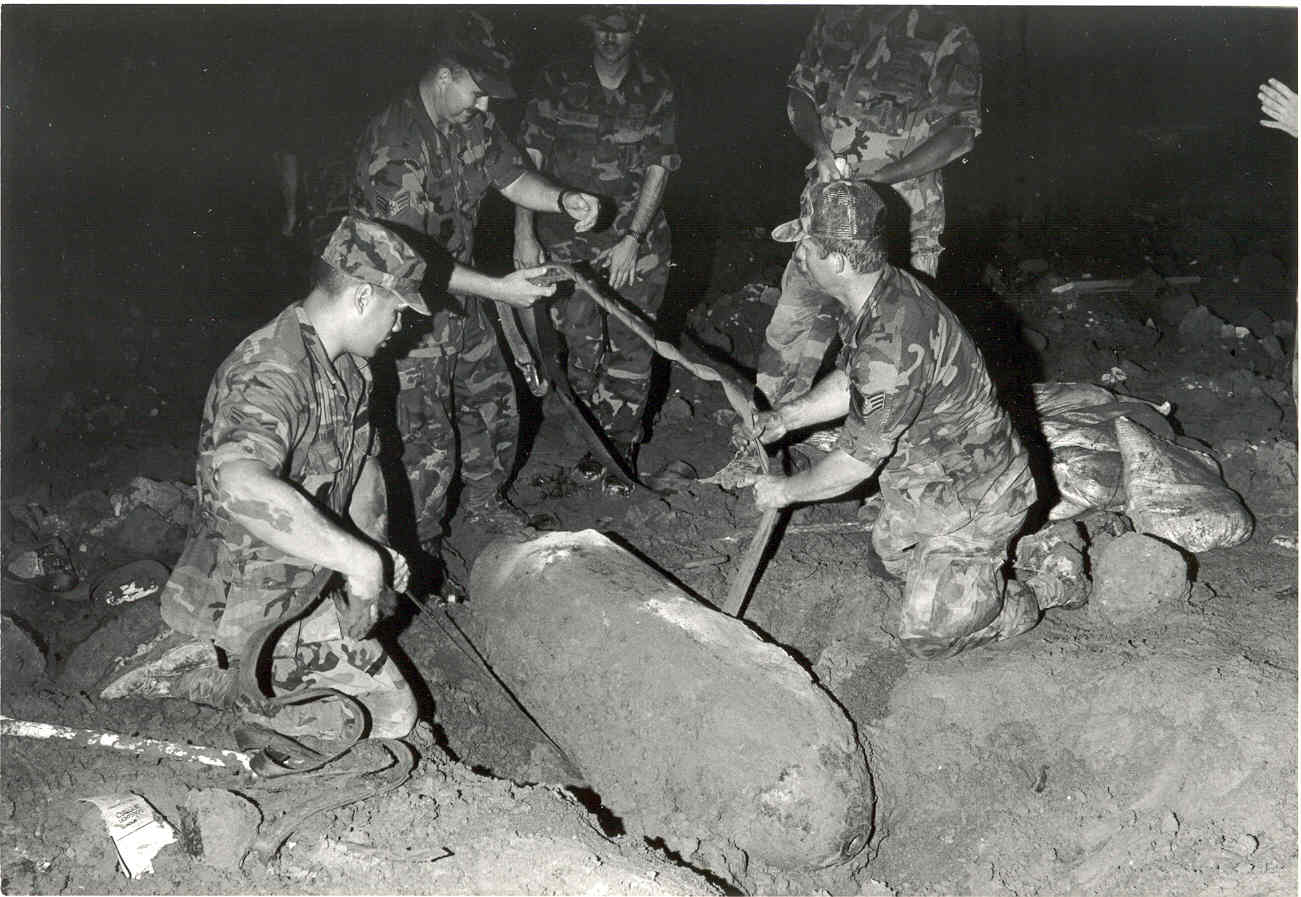
WWII era M-65 bomb being removed from the site of a new hospital site in 1991

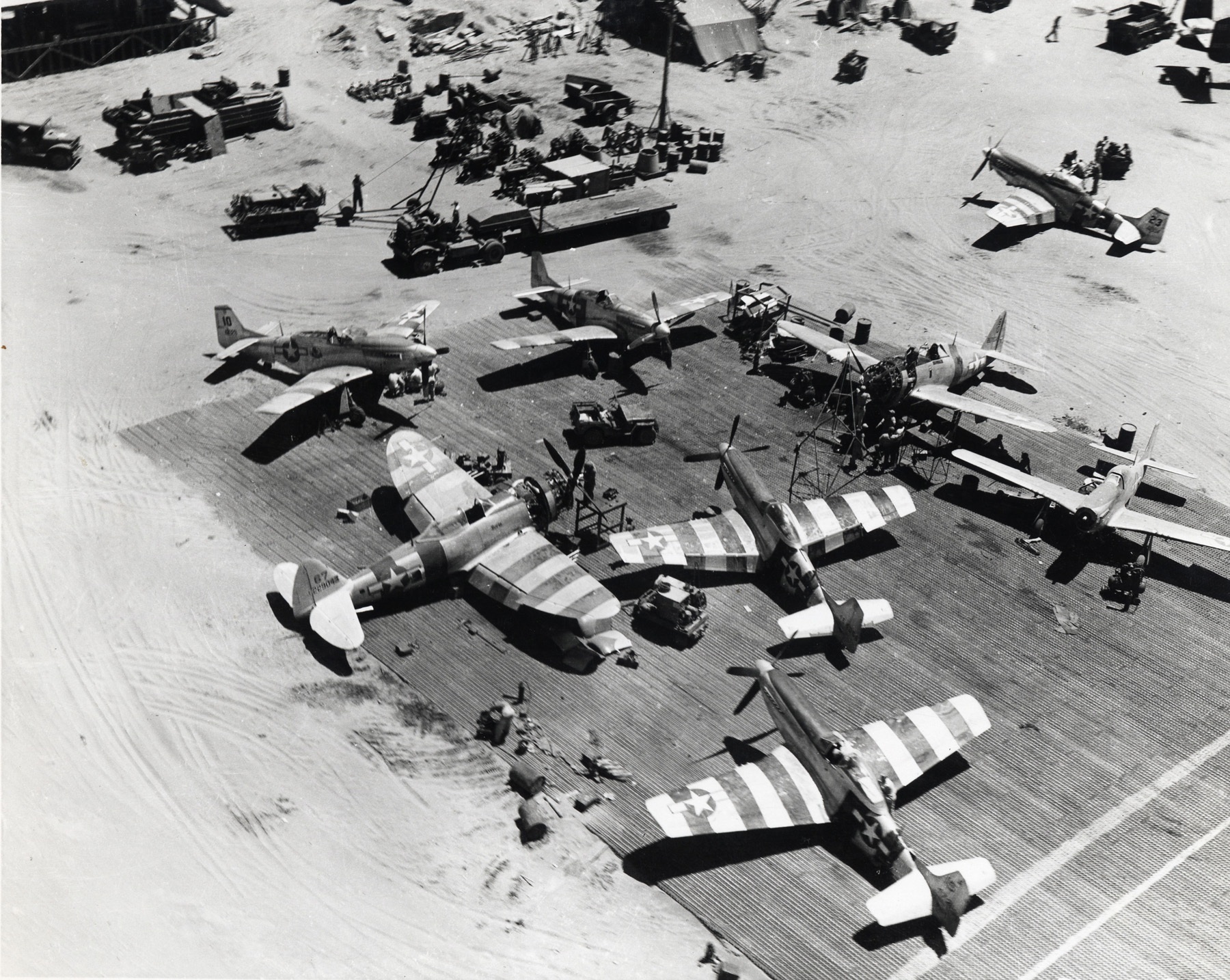
We bombed Misawa right before the end of WWII
"August 8-9, 1945: Approximately 30 U.S. Navy Grumman aircraft attacked Misawa Air Base destroying 45 aircraft on the ground. The resulting fires devastated about 90 percent of the base. A Japanese naval officer later reported that two U.S. aircraft were shot down by anti-aircraft fire.
August 15, 1945: Japan announced its surrender as the war in the Pacific ended, and the Emperor of Japan ordered the disbanding of all military units at Misawa Imperial Naval Air Base."