Quote:
Originally Posted by Noah930

We'll install attic insulation, as well, and we're also re-engineering the flat portion of our roof (which is mostly pitched, with the exception of our family room), to include insulation also.
|
Sounds like you have a good opportunity to get things done right, or conversely really get things screwed up. This is a serious business, and some of the problem is burying money into things no one sees yet there are tangible benefits to operational costs and long term benefits.
No pressure, but the attention to proper ventilation and flashings are going to help any system. Pretty smart of GAF to bundle package their products like that warranty wise, because the devil in is the details.
A decade or two ago some of the trade magazines were advocating a air cavity roof, meaning you have a regular roof minus the shingles, then lay vertical furring strips down, a layer of OSB on that, roof felt and shingle over the top. What you end up with is air layer that is vented top and bottom getting moisture from the due point out of the inside of the house and inside of the material themselves. In addition both sides of the shingles are now evenly cold or warm, making them last much longer.
SIP construction with Roxul on interior service cavity wall | GreenBuildingAdvisor.com

Also see this large image:
http://bkaviking.blob.core.windows.net/media/1172/roof-to-wall-venting-detail-ct10.png

You can imagine that this air cavity would do a good job of preventing heat from the shingles transferring through to the rest of the house.
From what I can tell looking on-line they now add reflective membranes into the mix to radiate energy (infrared) back out. And they seem to be more for cathedral ceilings where they can do the most good.
Lots of ways to spend money, lots of ways to overkill.
I say using a shingle with reflective properties is a no-brainer to start with. Don't skimp on ridge vents and valley flashings.
The flat roof can be problematic. Unless you are using only rigid insulation on the top, the batt insulation or blow-in insulation in between the ceiling joists really could benefit from being ventilated as well. This gets skipped sometimes and moisture can build up in the insulation causing sagging, dripping, mold, and in cold climates freezing. Below is the type of vent/flashing made to address such conditions.
Flat Roof: Flat Roof Upstand Ventilation
 https://www.diynot.com/diy/media/untitled.15937/
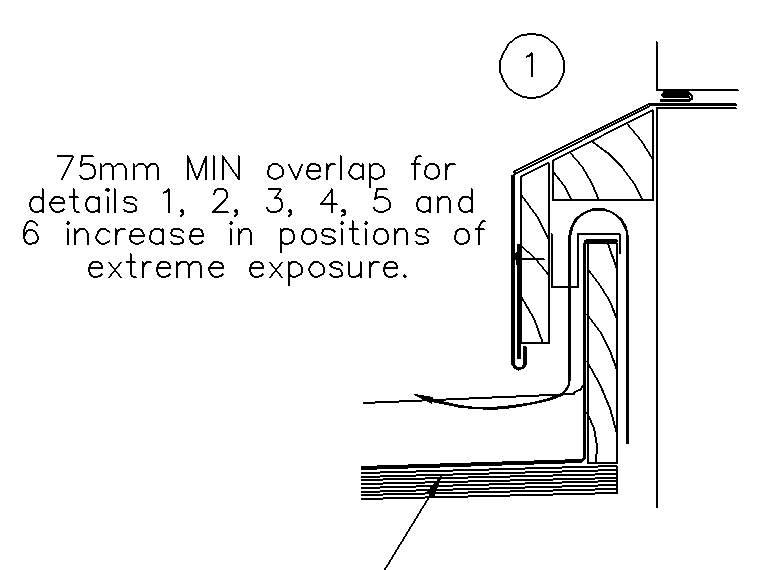 Alternate-1:
Smart Flat Roofs: The Craft of Parapet Detailing | BUILD Blog
Alternate-1:
Smart Flat Roofs: The Craft of Parapet Detailing | BUILD Blog
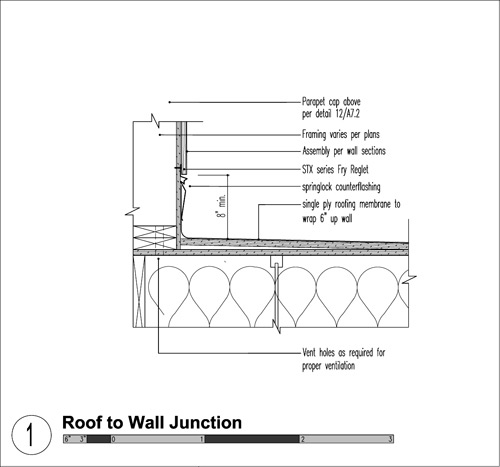 Alternate-2:
http://eureka4you.com/home/VentFlat.htm
Alternate-2:
http://eureka4you.com/home/VentFlat.htm

Quote:
|
Since most flat or compact roofs usually have ineffective ventilation , this condensation could get trapped within the insulation.
|
Since you are not doing this work yourself, just get a roofer than knows his business.
If you have existing flat roof drainage issues, perhaps look into adding tapered rigid insulation to increase the pitch.
Yes, they make white and reflective flat roof membrane roofing that helps lower cooling costs, look into it. Sounds like most of the people posting used the "
come back and fix" type treatments and materials on flat roofs. There are retrofit and new or re-roofing materials as well to meet your criteria.