

|
|
|
|
| Author |
|
|
Registered
Join Date: Dec 2023
Posts: 3
|
968 Stall
Hi. My 1994 968 had a new fuel pump installed last year. It's been running great. I went to drive it yesterday and it would stall out within about five seconds from start time while idling. If I gave it gas, it could get it to run a bit longer (maybe 10 sec), then it would eventually stall. Any suggestions?
|
||
 11-11-2024, 08:28 AM
|
|
|
Registered
|
Was the fuel pump relay replaced along with the pump? They are a known culprit and it is often recommended to upgrade to the newer part number (or even better, an aftermarket solid state version)
__________________
~Desmond 1992 Porsche 968 1996 Volvo 850R |
||
|
11-20-2024, 09:23 AM
|
|
|
Registered
|
my suggestion is pull the plugs see what color they are and if they are wet with gas.
then Id clean them or replace so then if you tru=oubleshoot more you know whats on there as far as sooty deposits or hopefully a nice tan color indicating a proper air fuel mixture. a vacuum leak can cause a lean mix at idle. any air that can bypass being monitored will add air to the mix. look for anythign like broken or old hoses running from around the throttle body and look below it. IE where the crankcase fumes go , they can rot rubber. If you can spray quick start in while you start it and then it runs as long as you feed it more spray then you know the ignition spark is there. then it looks fuel related, if you put a small lamp across the coil and its flashing when cranking then you have spark but since it does start it doesn't look very much like a no spark situation. fuel could be interrupted by a bad relay, You can wire in a lamp to monitor when fuel pump has power or the newer solid state relays have that built into the relay you can check fuel flow by running the fuel line into a container, If you look in the Clarks garage pages it will show a fuel flow rate, but basically it should be able to fill a small 1 gallon Gerry can quite quickly, the fuel should gush out not dribble out. If you do that , outside , fire extinguisher in hand, one ok for a fuel fire, not water. , approved gas container , be careful ! if you have a fuel pressure gauge that's another way you shouldn't see the fuel pressure go really low, it may for example, if you had a plugged filter and you tried to run it wide open, then the fuel may not deliver fast enough and fuel pressure at the guage will drop due to starvation. at key on the pump runs and the fuel will pressurize the fuel rail,, then just wait and watch the guage , it should not go down fast.. it is possible for an injector to stick open and if that happens you will get a lot of fuel in one cylinder, and the gauge won't hold, You then could observe a wet plug or one very carboned up or maybe a white cloud upon startup as it blows the fuel out of the cylinder with a stuck injector. there is a check valve near the fuel pump , it stops any backflow towards the pump and it may get replaced along with the pump. If that check valve fails ( dirt) it allows fuel to flow back towards the pump and then if you do the fuel rail check to see if pressure is maintained it can loose pressure due to that and it will have the same symptoms as a stuck open injector when observing the FP gauge. If someone else installed my fuel pump Id look at the connections, maybe they did a lousy splice or used those crimp things or similar. sometimes the type of connector is changed to match that of the new pump. I would solder and heat shrink any connections , I won't use auto wire crimps unless I solder them too. Ill normally chuck the plastic bit and use solder and heat shrink even if I crimp them first. I don't think that is the first suspect here but often what was recently done is a clue to a problem like this. when you insert the relay, its hard to tell if one of the spade connectors inside the plug has a weak contact. try using just one spade so you can feel if every connector inside the plug is actually tightly gripping the prong on the relay. also Clarks garage will have a troubleshooting tree.. you can refer to that , it'll prompt you through some logical sequential steps make sure your battery post connections are ok especially any wires that join up near the battery terminals. I've had cars crank fine but refuse to start because of a extra wire that marries the others right on the battery post, that was left loose. Last edited by Monkey Wrench; 11-20-2024 at 12:34 PM.. |
||
|
11-20-2024, 12:28 PM
|
|
|
Registered User
|
Lots of possibilities, so many in fact that no one can tell you what it is exactly.
Most common issue is usually a vacuum leak, but there can be many others. A bad DME relay (ie: fuel pump relay mentioned above) would more than likely just have the car quit all together and not restart, but its still worth checking. Recommend following the guide here and start testing and eliminating those possibilities. https://www.clarks-garage.com/shop-manual/ts-01.htm (Note on a 968 there is no AFM, but instead a MAF which can also go bad potentially)
__________________
Tyler from Wisconsin, 1989 944 S2 on Megasquirt PNP |
||
|
11-20-2024, 01:23 PM
|
|
|
Registered
Join Date: Oct 2002
Location: Boulder, CO
Posts: 1,205
|
FPR could be leaking, a lot of that going around these days as they age out.
Of course look at the spark plugs for clues, check the FPR vacuum line for fuel, etc. It's best to check these things right when the problem manifests. People seem to have trouble diagnosing a leaking fuel pressure regulator, not finding obvious fuel in the vacuum line. It might only leak under vacuum when it's in the early stages. A good test might be to install a section of clear tubing or maybe a small fuel filter inline and see if you can see some fuel droplets or wetness appear in it. When they really fail they will hose out a lot of fuel so it's not good to disconnect them and start the car without a plan to manage that fuel under the hood. You can disconnect the vacuum line to the FPR and attach a hose from the FPR to a container of some sort, that's a good test but be very careful of the potential of fuel spilling.
__________________
1987 928S4 1992 968 cabrio 2009 957 Cayenne GTS |
||
|
11-21-2024, 04:29 AM
|
|
|
Registered User
|
A bad FPR would be revealed with a simple fuel pressure test no?
I think this is why Clarks explicitly says to measure pressure.
__________________
Tyler from Wisconsin, 1989 944 S2 on Megasquirt PNP |
||
|
11-21-2024, 06:19 AM
|
|

|
|
Registered
Join Date: Oct 2002
Location: Boulder, CO
Posts: 1,205
|
Nope. Clark's has some shortcomings. The issue is fuel leakage past the diaphragm into the vacuum system, the regulator might work more or less normally otherwise. You might see it fail to compensate for vacuum correctly. I've had this happen on my 928 and in the early stages it's just a poor start, rough idle, rich running. When it really starts leaking the cat converter overheats as it burns all that extra fuel.
__________________
1987 928S4 1992 968 cabrio 2009 957 Cayenne GTS |
||
|
11-21-2024, 07:13 AM
|
|
|
In the Fires of Hell.....

|
I diagnosed my fuel dampener diaphragm leak via an engine fire while on track with my Turbo car...
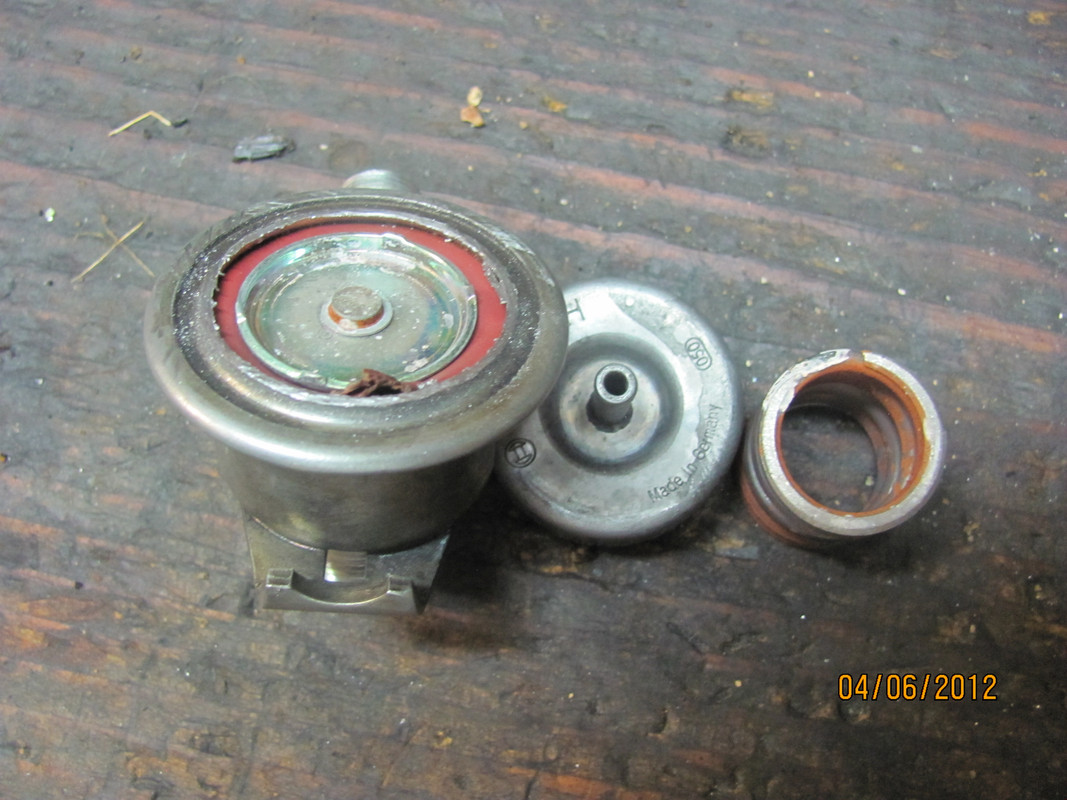 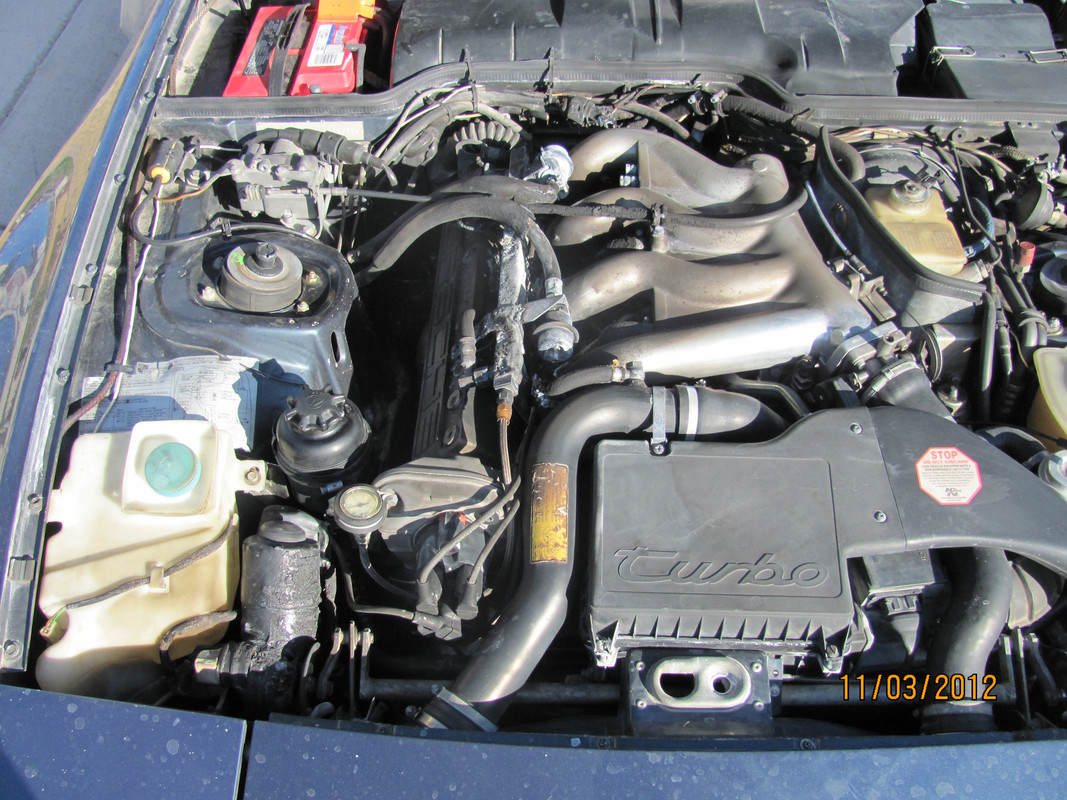 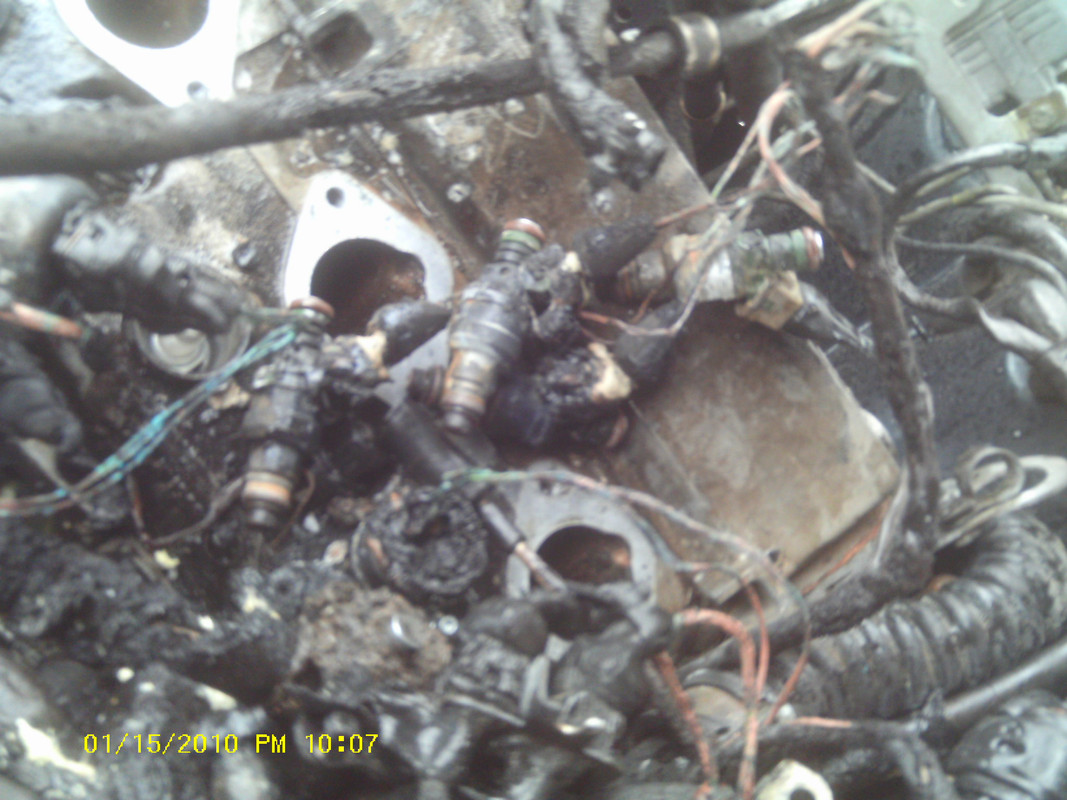
__________________
PCA Instructor: '88 951S - with LBE, Guru chips, 3Bar FPR, 1.3mm shimmed WG, 3120 lbs, 256 RWHP, 15 psig boost Last edited by kdjones2000; 11-21-2024 at 06:05 PM.. |
||
|
11-21-2024, 06:02 PM
|
|


 1992 Porsche 968
 1989 Porsche 944 S2
 944 Turbo
